Why Winter Requires a Different Safety Strategy
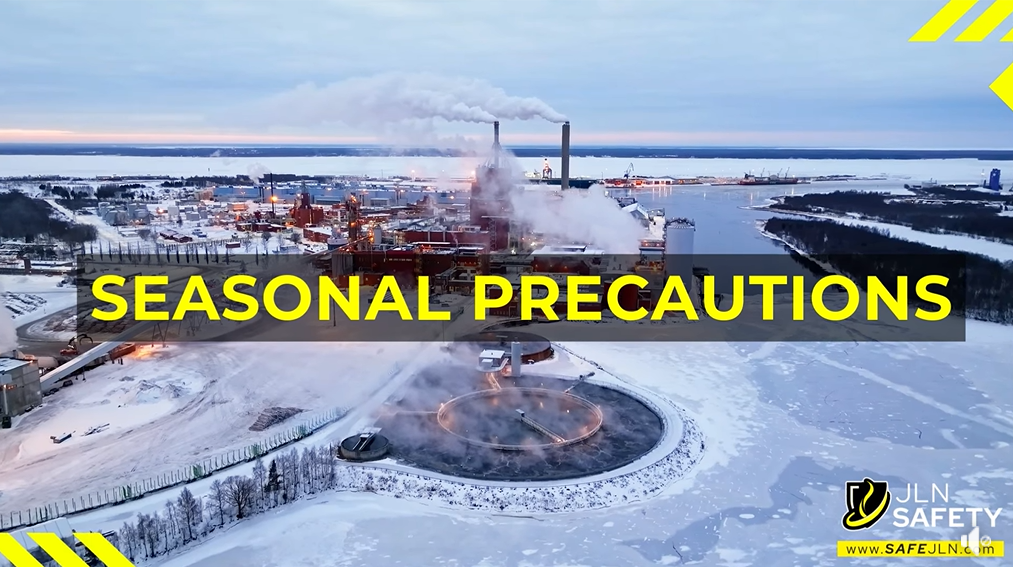
Winter introduces a unique set of operational and safety challenges for power generation and manufacturing facilities. Cold temperatures, snow, ice, reduced daylight, and harsh weather conditions can quickly turn routine maintenance and operations into higher-risk activities if seasonal hazards are not proactively addressed.
For industrial facilities, winter safety isn’t just about weather—it’s about preparation, planning, and execution. Without proper seasonal planning, winter conditions can lead to increased incidents, equipment failures, downtime, and safety exposures for workers and contractors alike.
Increased Risk During Forced Outages
Winter risks become especially critical during forced or unplanned outages. When unexpected outages arise, facilities often operate under compressed timelines with increased contractor presence, extended shifts, and non-routine work—all while contending with severe weather conditions.
In these situations, seasonal hazards escalate rapidly:
- Ice-covered access points and elevated work areas
- Reduced visibility during overnight and early morning work
- Cold stress and PPE limitations
- Temporary equipment and heating sources
- Increased confined space and rescue risks
During forced outages, facilities must balance urgency with safety—making experienced, proactive safety oversight essential.
Common Winter Safety and Maintenance Challenges
Based on field observations across power generation and manufacturing facilities, common winter issues include:
- Slips, trips, and falls caused by ice and snow on walkways, ladders, platforms, HRSG access, and cooling tower areas
- Frozen or inadequately insulated piping, valves, fire protection systems, and process equipment
- Cold-weather startup issues resulting in thermal stress and equipment reliability concerns
- Temporary heating creating ignition sources or carbon monoxide hazards
- Reduced visibility due to low winter light conditions
- Confined space hazards intensified by winter ventilation challenges and limited access
Proactive Winter Safety Preparation
Effective winter safety management starts well before the first major weather event. Facilities that plan ahead are better positioned to prevent incidents, protect personnel, and avoid costly downtime.
Key winter readiness actions include:
- Seasonal inspections of walking surfaces, fall protection systems, and access points
- Verification of heat tracing, insulation, and freeze-protection measures
- Cold-weather PPE evaluations for task-specific work
- Review and reinforcement of contractor winter work practices and job hazard analyses
- Adjustments to emergency response and confined space rescue plans for winter conditions
End-of-Year: A Critical Time for Safety Reviews
The end of the year is an ideal time for facilities to review and refresh safety procedures and emergency plans. Taking a proactive approach during this period helps ensure that teams are aligned and ready before the next outage, scheduled maintenance window, or severe weather event.
Year-end safety preparation should include:
- Reviewing emergency response and rescue procedures
- Verifying confined space and rescue readiness
- Updating training schedules and certifications
- Ensuring contractor safety expectations are current
- Conducting lessons-learned reviews from recent outages or incidents
Supporting Safe Operations All Winter Long
JLN Safety is proud to support power generation and manufacturing clients throughout the winter season—especially during forced outages and critical maintenance periods. Our teams work alongside facilities to keep safety plans, emergency procedures, and training schedules current and effective.
Our winter-focused services include:
- Third-party safety oversight for outages and maintenance work
- On-site outage safety staffing
- Confined space and industrial rescue readiness
- Seasonal safety inspections and hazard identification
- Emergency preparedness planning and procedure review
Winter Safety Starts Before the Weather Hits
Cold weather doesn’t have to disrupt operations—but it does require intentional planning and experienced oversight. Facilities that invest in winter safety preparation are better positioned to protect their workforce, maintain reliability, and navigate forced outages safely.
At JLN Safety, winter is not a slowdown – it’s a season where preparation matters most.
Your partner in prevention – season after season.
Leave a Reply